 GR
 EN

No Frost or static fridge freezer
No Frost or Static Fridge Freezer: What to Look For
The fridge is the only appliance in the home that runs 24 hours a day, every day of the year. That is why the right choice matters both for keeping food fresh and for your electricity bill. This guide covers the difference between No Frost and static fridge freezers, how many litres you need and what the energy label says.
- A No Frost fridge freezer does not build up ice, so it never needs defrosting.
- A static fridge freezer costs less, but its freezer needs defrosting once ice builds up. LowFrost models reduce the amount of ice.
- In a No Frost fridge freezer, uncovered food dries out more quickly, so it is worth keeping it in sealed containers.
- Since 2021, the energy label for fridges runs from A to G, and annual energy use in kWh is shown on it.
- For a family of 3 to 4 people, a fridge freezer of 300 to 400 litres is usually enough.
Contents
What No Frost means
In a No Frost fridge freezer, a small fan circulates the cold air inside the compartments. Moisture does not settle on the walls as ice. Instead, it collects on the evaporator, which defrosts automatically at regular intervals. The water drains away by itself and evaporates. The result: no ice forms in the freezer, so you never need to defrost it.
You will also see the term Total No Frost. It means the technology covers both the fridge compartment and the freezer, not just the freezer. Air circulation also keeps the temperature more even across all the shelves.
No Frost fridge freezers from our store
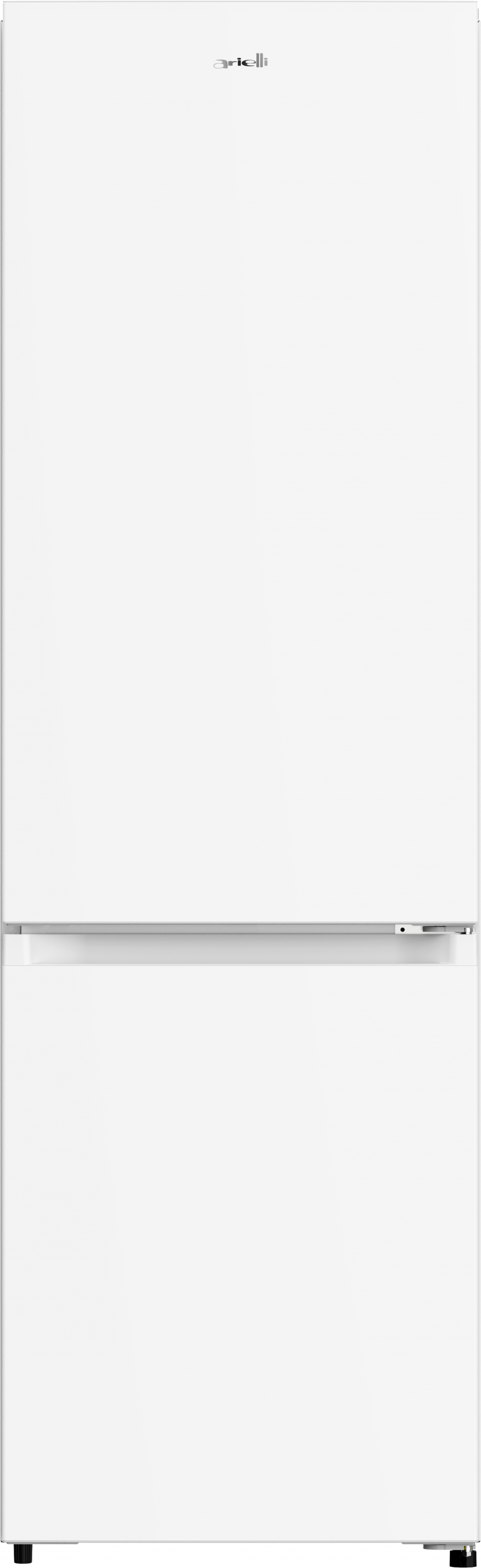


How a static fridge freezer works
In a static fridge freezer, cooling comes from the walls without a fan. Moisture freezes onto the walls, and over time a layer of ice forms in the freezer. When the ice builds up, the freezer loses space and efficiency, so it has to be defrosted by hand.
LowFrost models are an intermediate option. They have a special design that greatly reduces the ice, so defrosting is rarely needed and takes less time.
No Frost or static: the comparison
| Feature | No Frost | Static or LowFrost |
|---|---|---|
| Ice in the freezer | No | Yes, to a lesser extent with LowFrost |
| Defrosting | Never | Every so often, by hand |
| Even temperature | Very good | Colder near the walls |
| Uncovered food | Dries out more easily | Keeps more moisture |
| Noise | Slight fan noise | Quieter |
| Purchase price | Higher | Lower |
Static and LowFrost fridge freezers from our store
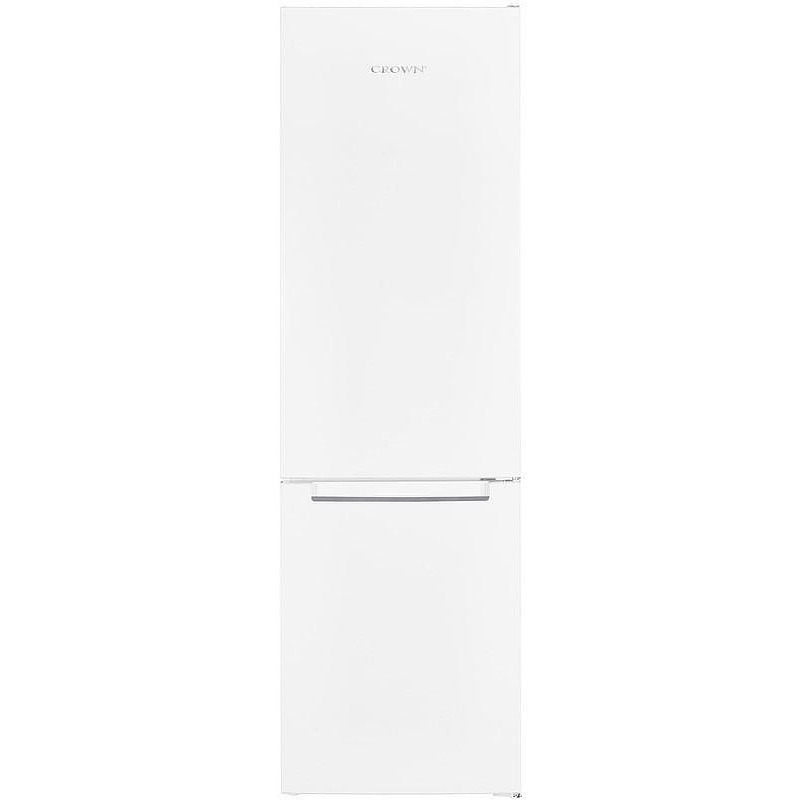

How many litres you need
Capacity is given in litres and is split between the fridge and the freezer. As a guide:
- Up to 250 litres: for 1 to 2 people
- 250 to 350 litres: for 2 to 3 people
- 350 to 400 litres: for a family of 4 people
- Over 400 litres: for large families or anyone who shops for the whole week
If you freeze a lot of food, such as meat or vegetables from the garden, a separate freezer gives you much more space.
Dimensions and placement
Most fridge freezers are about 55 to 60 centimetres wide and 170 to 203 centimetres high. Measure the height, width and depth of the space, as well as the door opening, so that the door opens comfortably to 90 degrees. Leave a few centimetres around the unit for ventilation, and keep the fridge away from the oven and sunlight, otherwise the compressor has to work harder.
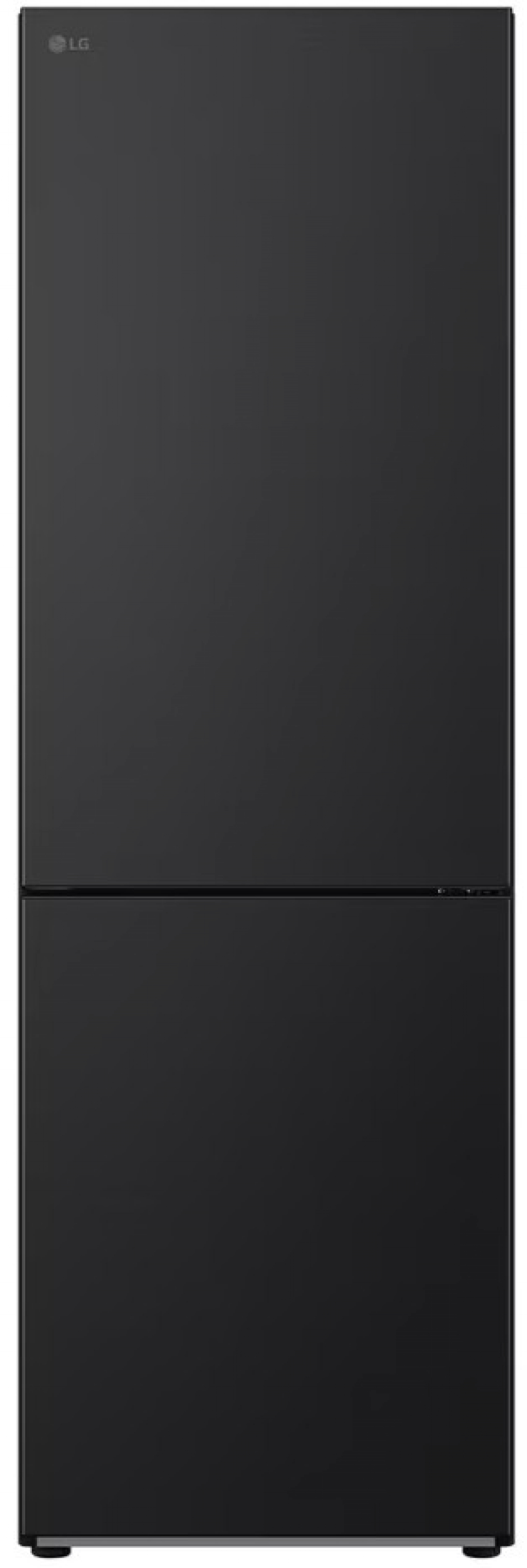
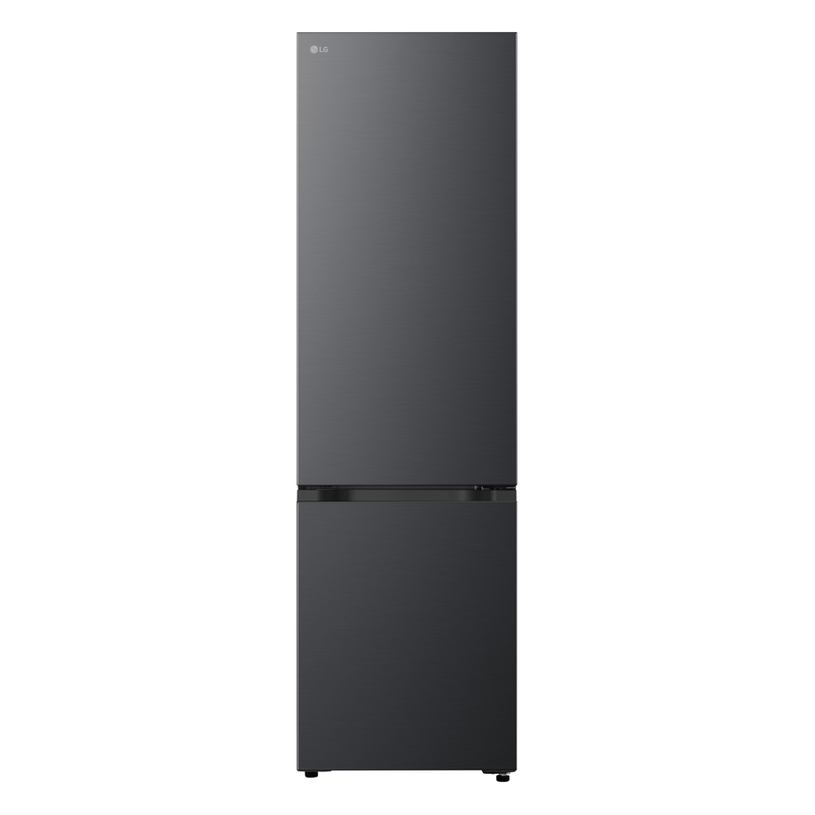
Larger Total No Frost fridge freezers

Energy rating and consumption
From March 2021, fridges carry a new energy label on a scale from A to G, which is stricter than the old one that ran up to A+++. That is why most fridges on the market today are in classes D or E, while classes A to C are the most energy-efficient models. The label shows annual energy use in kWh, capacity and noise in decibels, so you can compare models accurately.
Features worth having
- Inverter compressor: quieter operation and a steady temperature
- Crisper drawer: for fruit and vegetables
- Reversible doors: you can change the opening side
- Water dispenser: cold water without opening the door
- Fast freezing: for fresh food going into the freezer
- WiFi: temperature control and alerts on your phone
Which one to choose
If you want to forget about defrosting and prefer an even temperature, a No Frost fridge freezer is the best choice, and it is now the most common type. If you are looking for a lower price and do not mind defrosting now and then, a static or LowFrost model does the job well.
See all our fridge freezers, or the whole fridges category.
Frequently asked questions
Which is better, a No Frost or a static fridge?
For most families, No Frost is the better choice, because it does not build up ice, does not need defrosting and keeps the temperature more even. A static fridge freezer costs less and is slightly quieter.
What are the downsides of a No Frost freezer?
It costs a little more, and food that is not wrapped well can dry out or suffer from freezer burn. Using freezer bags and sealed containers avoids the problem.
What are the downsides of a No Frost fridge?
The fan makes a slight noise, and the air it circulates dries out uncovered food. For fruit and vegetables, use the crisper drawer, which keeps more moisture in.
Is a No Frost fridge freezer worth it?
Yes, if you do not want to deal with defrosting. You save time, the freezer always keeps all of its space, and the temperature stays more stable.
What does No Frost mean on a fridge?
It means the fridge does not form ice, because a fan circulates the cold air and moisture is removed automatically. So it never needs defrosting.
What problems can a No Frost fridge have?
The most common ones are ice on the back wall when the door does not close properly, water at the bottom caused by a blocked drain pipe, or noise from the fan. Check the door seal and do not press food against the back wall.
Which fridge should I avoid buying?
Avoid a fridge that does not fit properly in your space, or that is too small for your family, as it will always be packed full and working hard. Also check the annual energy use on the label, because the fridge runs all year round.
Find the fridge freezer that suits you
Dozens of No Frost and LowFrost models, with delivery across Greece.
See the fridge freezers