 GR
 EN

Upright Freezer or Chest Freezer: Which One to Choose
Upright Freezer or Chest Freezer: Which One to Choose
When you start looking for a freezer, the first decision is the type: a chest freezer or an upright one. Both keep food frozen, but they differ in the space they take up, how easy it is to reach your food and how much electricity they use. In this guide you'll see the differences, how many litres a family needs and which type to choose.
- A chest freezer usually uses less electricity, because the cold air stays inside when you lift the lid.
- An upright freezer is easier to organise, with shelves or drawers, and usually takes up less floor space.
- For a family of 4, 200 to 300 litres is usually enough.
- The right temperature for frozen food is minus 18 degrees or lower.
- The right type depends on your space and how you plan to use the freezer.
Contents
What an upright freezer is like
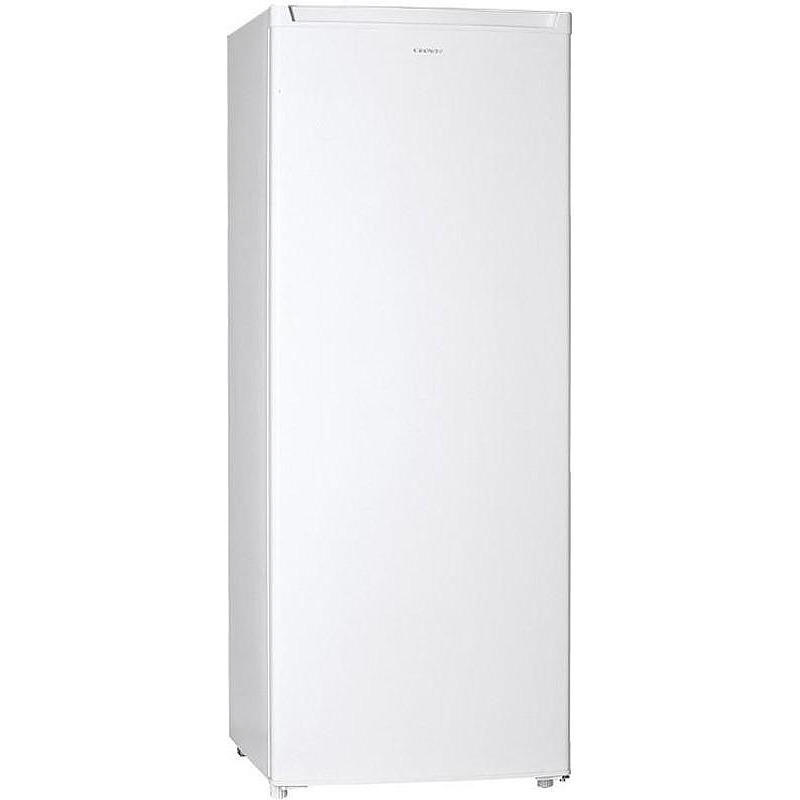
An upright freezer looks like a fridge. It opens with a door at the front and has shelves or drawers, so you can see straight away what you have inside. For everyday use it is the most convenient choice, because you don't have to bend down or search through things at the bottom.
Many models have No Frost, which means automatic defrosting, so ice does not build up inside the appliance. It needs more height than a chest freezer, but less width.
Upright freezers from our store
What a chest freezer is like
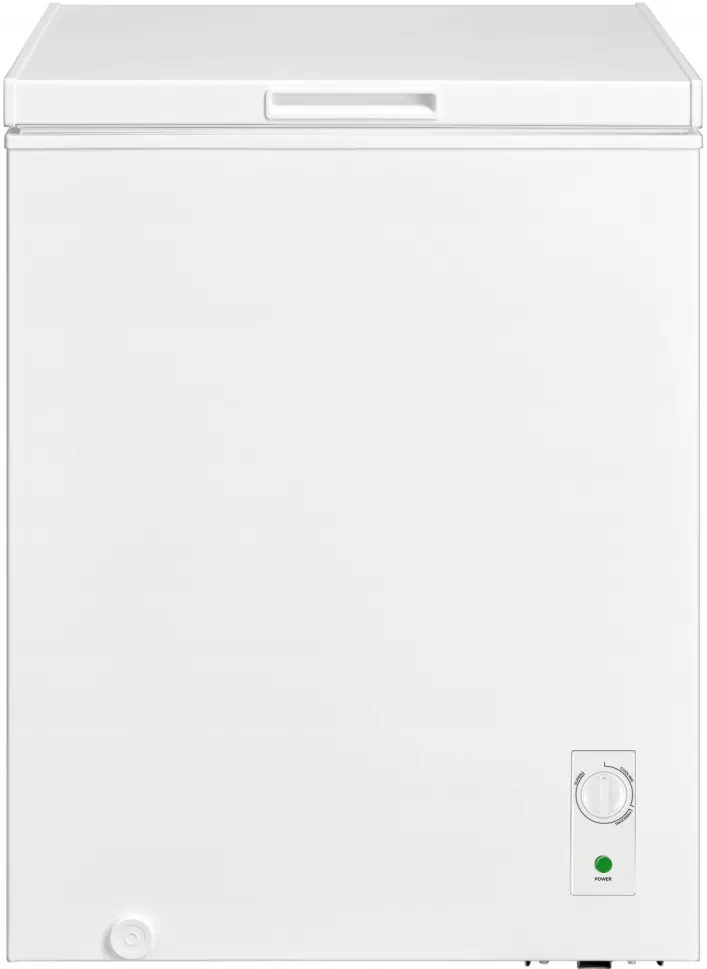
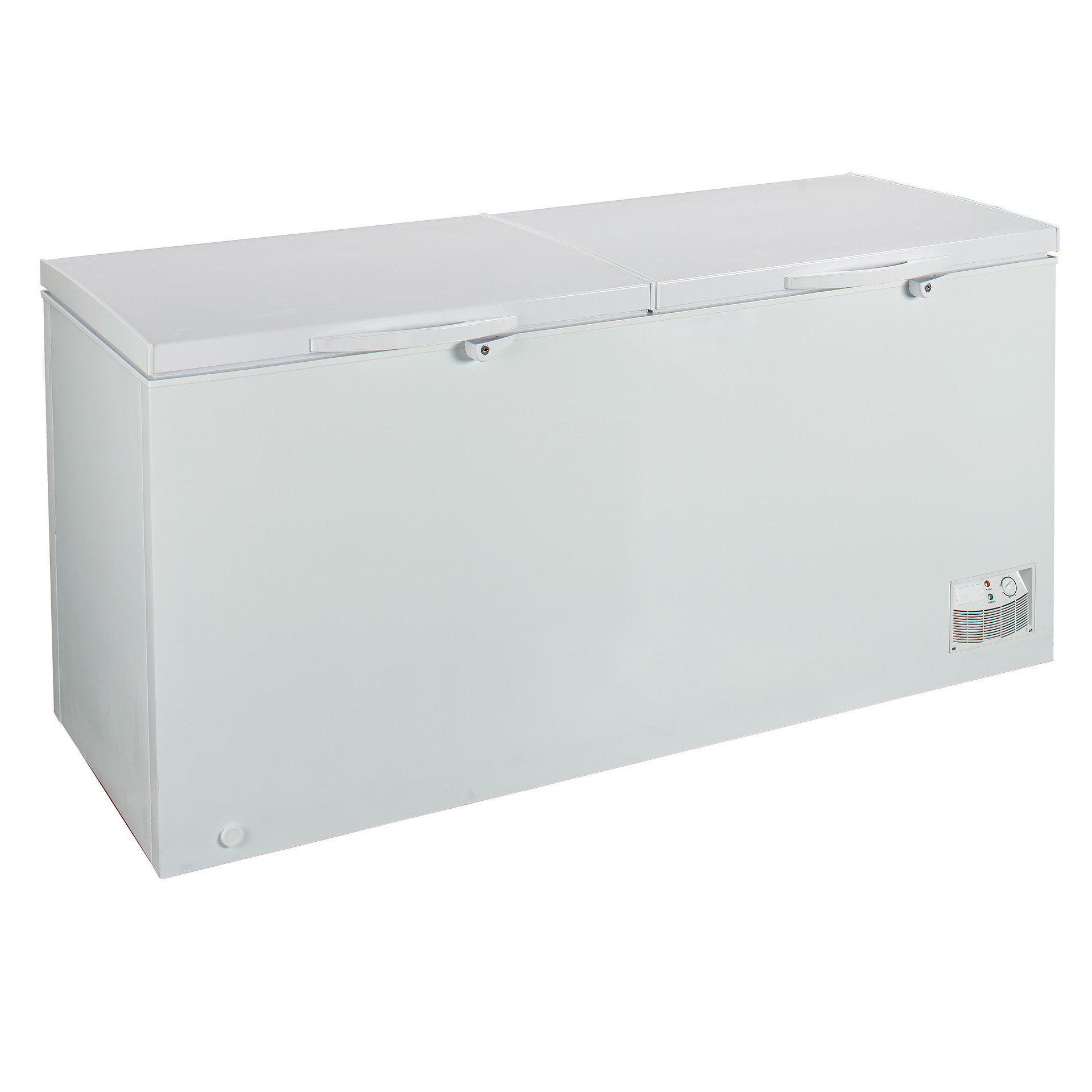
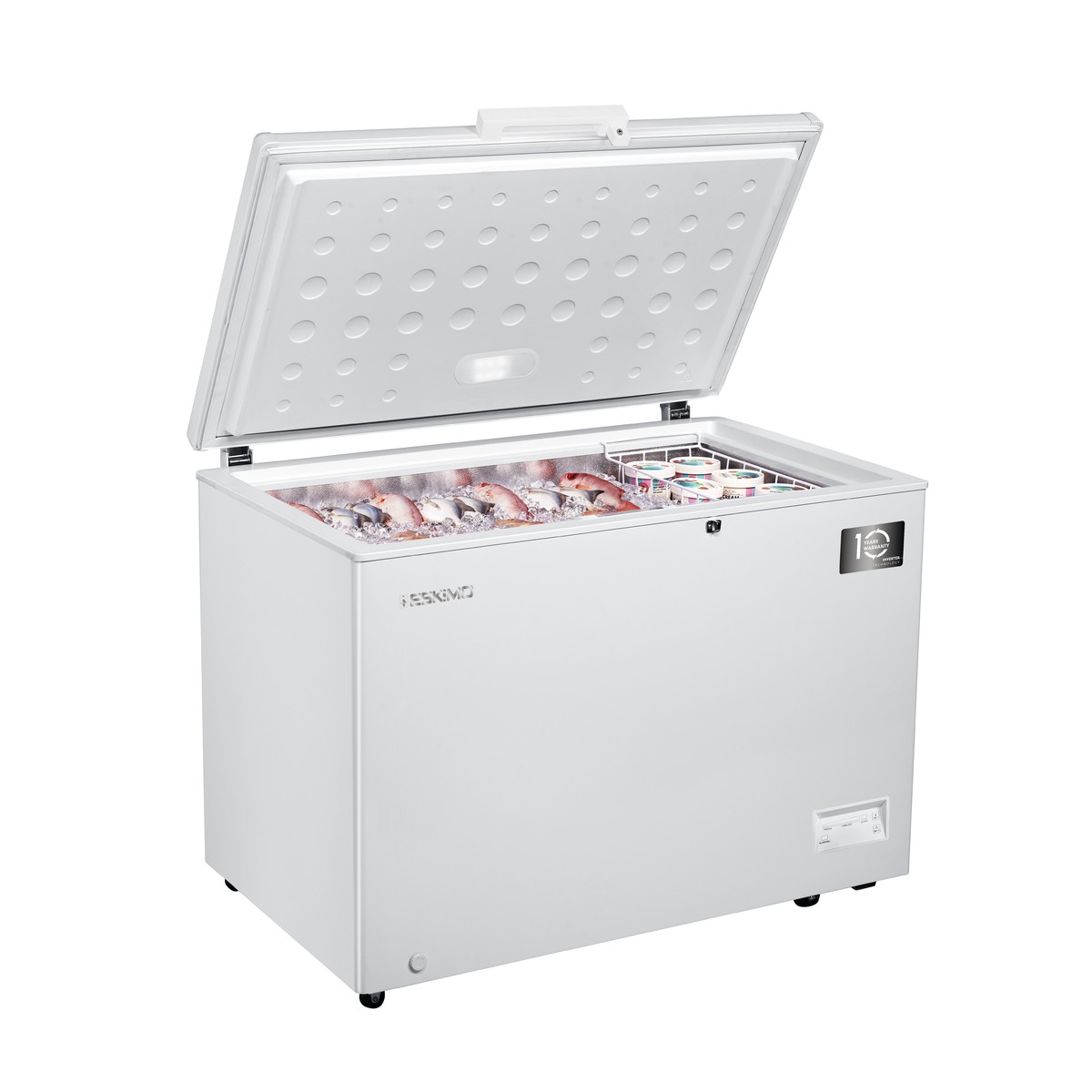
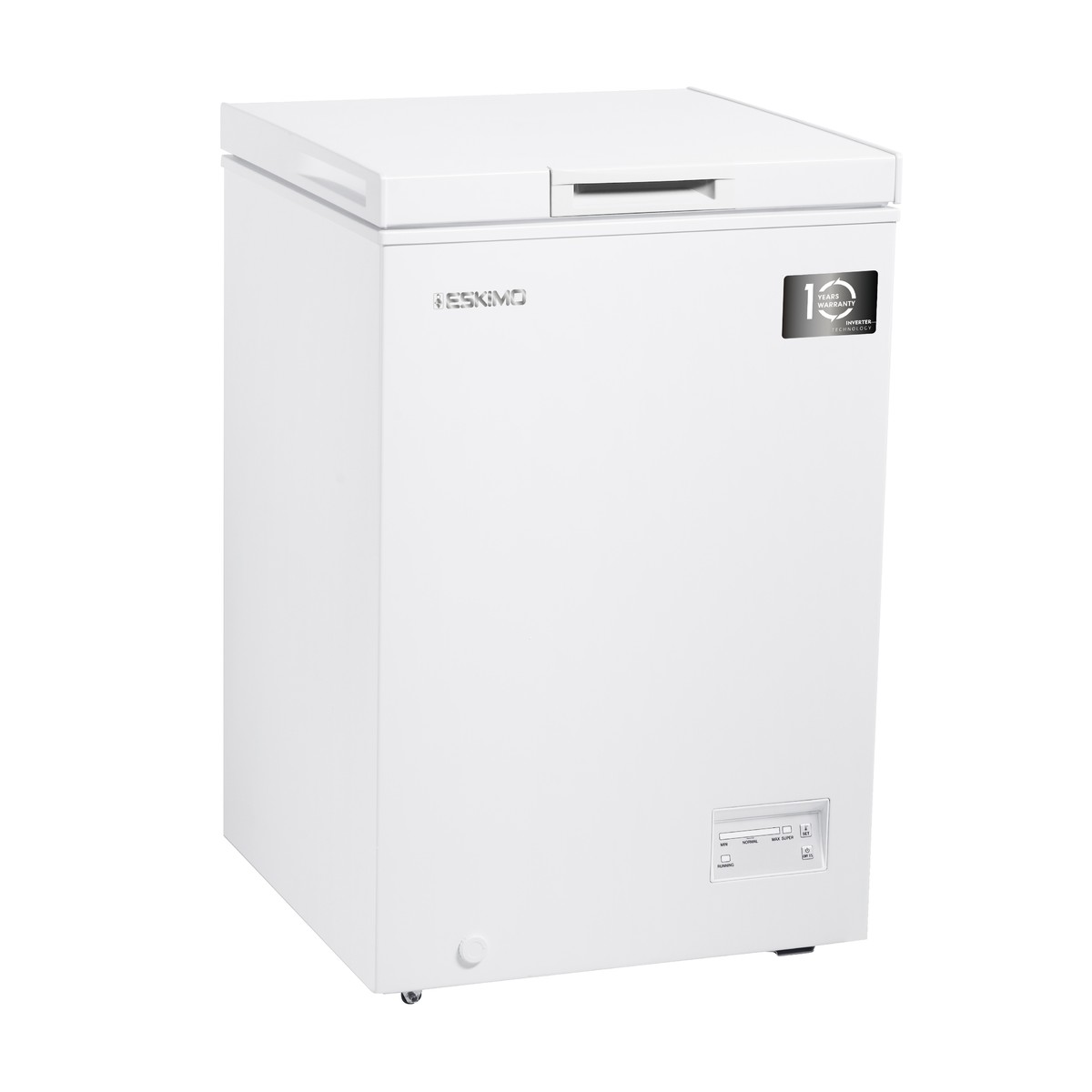
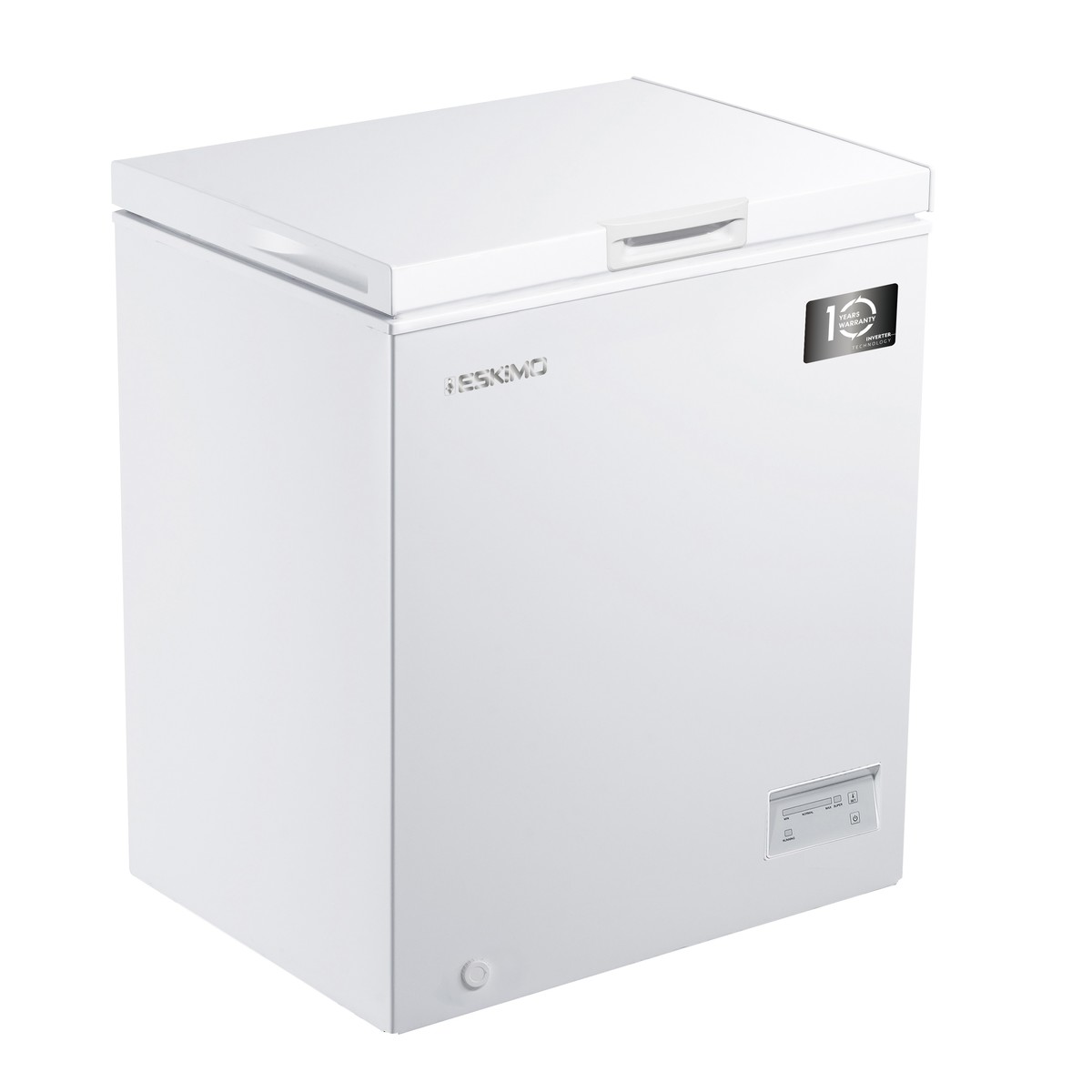
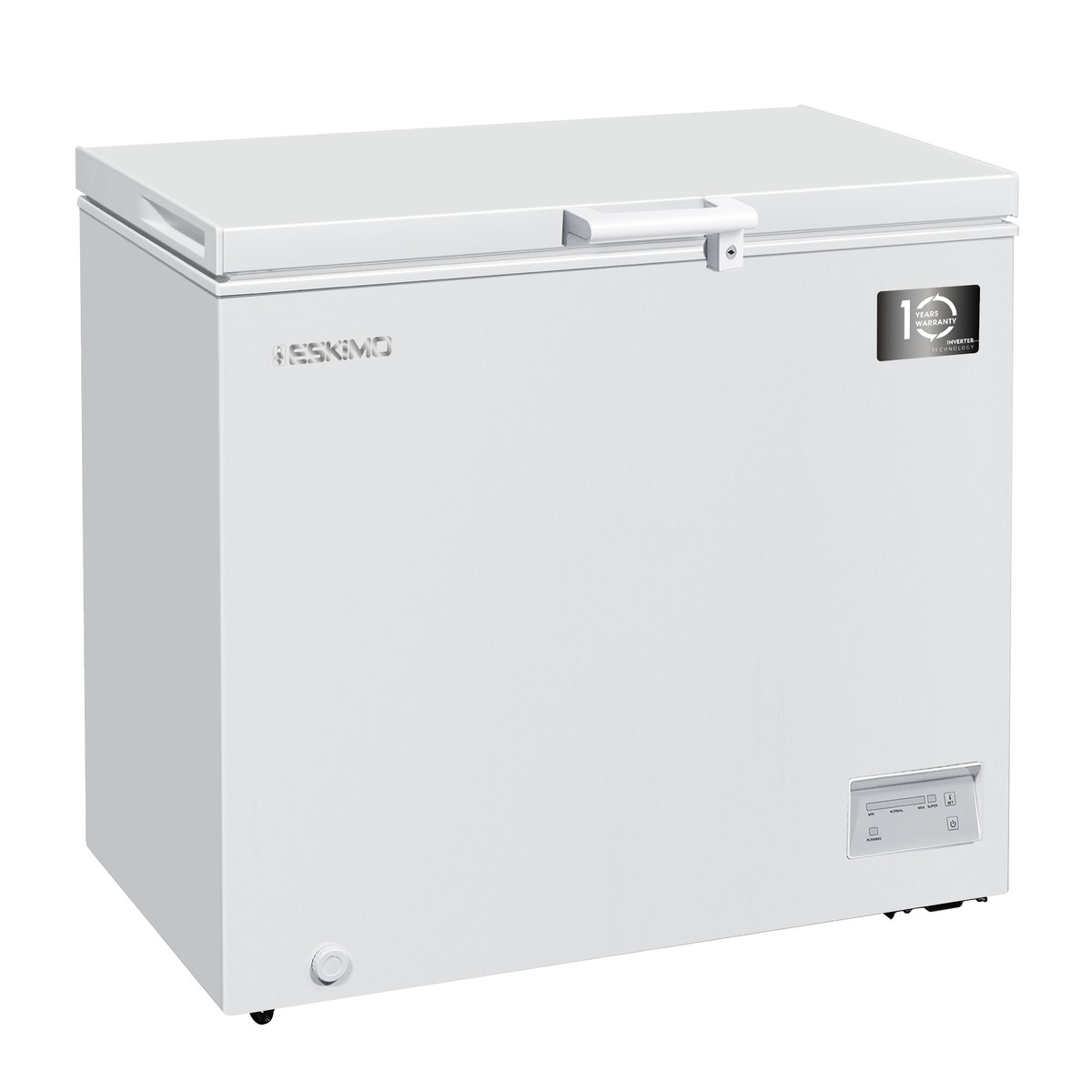
A chest freezer opens from the top, with a horizontal lid. Food goes into one open space, and to reach something at the bottom you usually have to bend down and search a little.
A chest freezer is usually wider and lower, so it needs space at the side and above it. Cold air is heavier and stays inside when you lift the lid, which is why it usually uses less electricity. Many chest freezers need manual defrosting when ice builds up.
Chest freezers from our store
See our full range of freezers.
Chest or upright freezer: the comparison
The table shows at a glance what you gain and what you give up with each type.
| Feature | Chest freezer | Upright freezer |
|---|---|---|
| Energy use | Usually lower, as the cold air stays inside | Usually higher, as cold air spills out when the door opens |
| Access to food | From the top, less convenient for things at the bottom | From the front, with shelves and drawers |
| Organisation | Usually with baskets | With shelves and drawers |
| Space | Needs width and free space above for the lid | Needs less width, but enough height |
| Defrosting | Often manual | Often automatic (No Frost) |
| Ideal for | Large quantities, holiday homes, garages | Everyday use, flats |
Energy use and temperature
Energy use shows up on your bill every month, so it is worth comparing before you buy. The annual consumption in kWh is on the energy label, and for a fair comparison you should look at models with a similar capacity. In a cool room the freezer usually runs more economically, because in hot weather the motor works harder.
For frozen food, the right temperature is minus 18 degrees or lower. The super freeze function, found on many models, usually drops to minus 24 degrees or lower. Use it when you want to freeze fresh food quickly, while normal mode is enough for everyday use.
How many litres of freezer you need
The more often you buy in large quantities or cook ahead, the more litres you need. As a guide:
- Up to 150 litres: for 1 to 2 people
- 150 to 200 litres: for 2 to 3 people
- 200 to 300 litres: the usual choice for a family of 4
- Over 300 litres: for large families or big shopping trips
If you often buy in bulk, go for a few more litres, because the space fills up quickly. If you live on your own and buy small amounts each time, a smaller model is enough and uses less electricity.
Space, access and defrosting
Before you decide, measure the space. An upright needs enough height, while a chest freezer needs width and free space above it so the lid can open. For both, leave a few centimetres around the appliance for ventilation, as the manual usually recommends. If you plan to put it in a garage or storeroom, check in the manual that the model can cope with the temperature of that room. Keep it away from radiators, the cooker and direct sunlight.
When it comes to access, the upright is easier, because everything is in front of you. In a chest freezer, divide the food into baskets or labelled bags, so you don't have to dig through the bottom every time.
What to check before you buy
If you are choosing an upright freezer, look first at No Frost, the drawers or shelves and the height that fits your space. For both types, check that the warranty is clearly stated in the product description.
- Capacity: buy the litres you need today and a little more, because your needs change.
- Space: measure the space and leave room for the lid or door, so they open comfortably.
- Defrosting: if you don't want to clean it by hand, choose a model with No Frost.
- Energy: compare the annual consumption in kWh on the label.
- What to avoid: models with no clear energy data, models smaller than your needs, and placement without ventilation around the appliance.
Which one to choose
If you want easy organisation and comfortable access, an upright freezer suits everyday use, especially in a flat.
If you store large quantities or buy in bulk, a chest freezer is usually the more sensible choice, because it uses less electricity. Either way, choose the capacity and the space first, and the type after that. See all our freezers to compare models.
Frequently asked questions
Is a chest freezer or an upright freezer better?
There is no single best option for everyone. An upright freezer is more convenient for everyday use, while a chest freezer usually uses less electricity. Choose based on your space and how you use it.
How many litres of freezer does a family of 4 need?
For a family of 4, 200 to 300 litres is usually enough. If you often buy in bulk, go for more than 300 litres.
What is the temperature difference between a freezer and a deep freezer?
The difference is in the temperature. A standard freezer usually keeps frozen food at minus 18 degrees. A deep freezer, or the super freeze function on many models, usually drops to minus 24 degrees or lower, so it freezes fresh food quickly.
Which upright freezer should you choose?
Look first at the capacity, the height that fits your space and whether it has No Frost. Also compare the annual consumption in kWh on the energy label, and the shelves or drawers that suit you.
Which freezers should you avoid?
Avoid models without clear energy consumption information and models that are smaller than you need. Also avoid placing the freezer where there is no ventilation around it.
Find the freezer that suits you
Upright and chest freezers for every space and every family.
See the freezers